Leadership
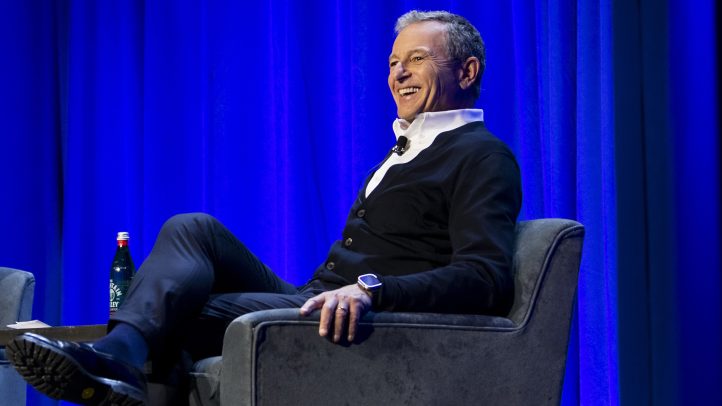
Disney’s leadership team oversees the world’s premier entertainment company, home of the most respected and beloved brands around the globe.
Executive Leadership
Our senior executives bring tremendous experience, visionary thinking and a shared commitment to excellence, creativity and innovation to the day to day operation of the company.
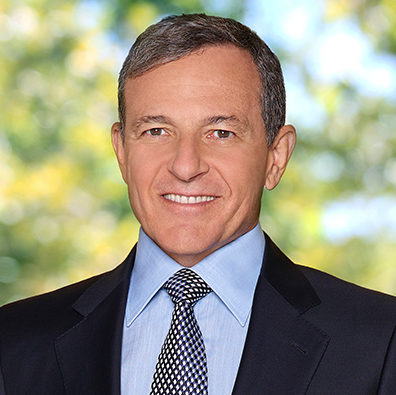
Robert A. Iger
Chief Executive Officer, The Walt Disney Company
Robert A. Iger
Chief Executive Officer, The Walt Disney Company
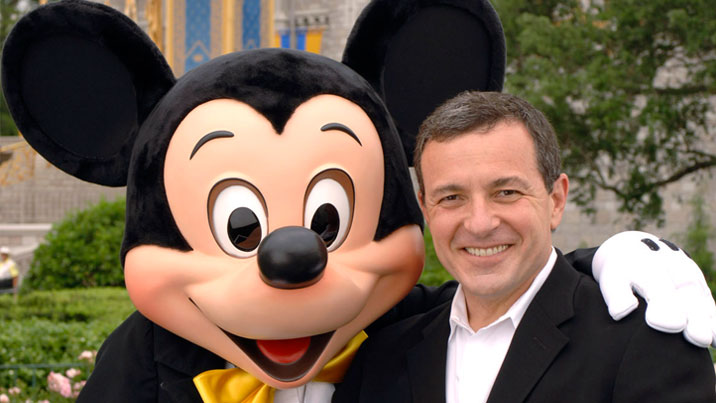
Robert A. Iger is Chief Executive Officer of The Walt Disney Company, having returned to the company in November of 2022 after serving as CEO and Chairman from 2005 to 2020, and then as Executive Chairman and Chairman of the Board through 2021.
Since returning as CEO, Mr. Iger has led a significant, enterprise-wide transformation to restore creativity to the center of the company and position Disney’s streaming business for sustained growth and profitability. During his more than 15 years at the helm of Disney, Mr. Iger has served as steward of the world’s most respected and beloved brands. His strategic vision focuses on three fundamental pillars: generating the best creative content possible; fostering innovation and utilizing the latest technology; and expanding into new markets across the globe.
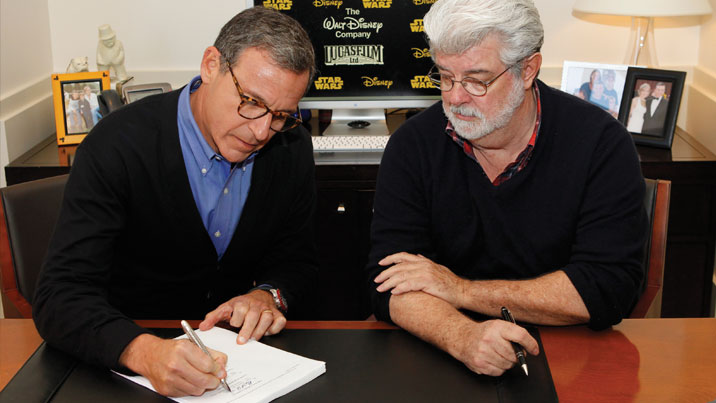
Widely recognized as one of the world’s most consequential business leaders, Mr. Iger has built on Disney’s rich history of unforgettable storytelling with the acquisitions of Pixar (2006), Marvel (2009), Lucasfilm (2012), and 21st Century Fox (2019); the landmark opening of Disney’s first theme park and resort in mainland China, Shanghai Disney Resort; and the release of a number of record-setting films, including Marvel’s Avengers: Endgame, Disney’s Frozen and Frozen 2, and Marvel’s groundbreaking Black Panther. Always one to embrace new technology, Mr. Iger made Disney an industry leader through its creative content offerings across multiple new platforms, including the highly successful launch of the Disney+ streaming service in November 2019.
Disney’s exceptional entertainment experiences, widely diverse content, and Iger’s unique skill in managing businesses in an integrated manner led to strong results. During Mr. Iger’s tenure, The Walt Disney Company has been recognized as one of the “Most Reputable Companies” in both America and the world by Forbes magazine (2006–2019); one of the “Best Employers” in both America and the world by Forbes magazine (2019 and 2018, respectively); one of the “World's Most Admired Companies” by Fortune magazine (2009–2021); and one of the “World's Most Respected Companies” by Barron’s (2009–2017).
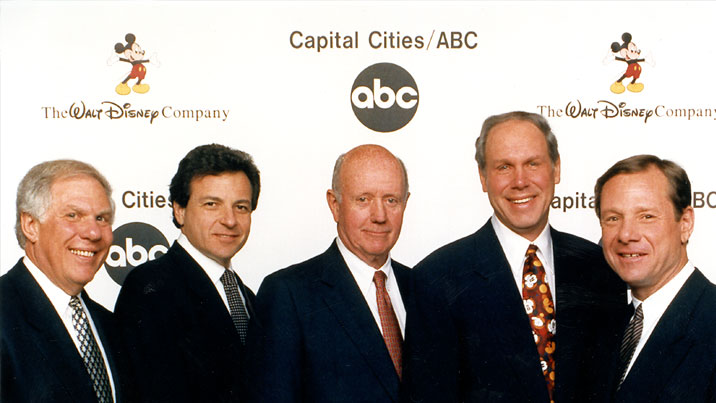
Mr. Iger was first appointed Chief Executive Officer of Disney in October 2005 and was elected Chairman in 2012. In February 2020, he assumed the role of Executive Chairman and directed the company’s creative endeavors until retiring in December 2021. From 2000-2005, Mr. Iger served as Disney’s President and Chief Operating Officer. He officially joined the Disney senior management team in 1996 as Chairman of the Disney-owned ABC Group, and in 1999, was given the additional responsibility of President, Walt Disney International. In that role, Mr. Iger expanded and coordinated Disney’s presence outside of the United States, establishing the blueprint for the company’s international growth today. As Chairman of the ABC Group, Mr. Iger oversaw the broadcast television network and station group, cable television properties, and radio and publishing businesses, and also guided the complex merger between Capital Cities/ABC, Inc. and the Walt Disney Company. During Mr. Iger’s years with ABC, he obtained hands-on experience in every aspect of the television business—including news, sports, and entertainment—as well as in program acquisition, rights negotiations, and business affairs. He began his career at ABC in 1974.
In 2023, Mr. Iger was featured on the cover of TIME as part of its annual 100 Most Influential People issue. Additionally, he was TIME’s Businessperson of the Year (2019); one of Forbes magazine's “World’s Most Powerful People” (2018); one of the “Top Gun CEOs” by Forbes magazine (2009); one of Fortune magazine’s “25 Most Powerful People in Business” (2006, 2007); one of the “Best CEOs” by Institutional Investor magazine (2008, 2009, 2010, 2011); MarketWatch's “CEO of the Year” (2006); and “CEO of the Year” by Chief Executive magazine (2014).
Mr. Iger was inducted into the Television Academy Hall of Fame in January 2020, and the Broadcasting and Cable Hall of Fame in 2015. He currently serves on the boards of the 9/11 Memorial & Museum and Bloomberg Philanthropies. In 2012, Mr. Iger became a member of the Academy of Motion Picture Arts and Sciences, one of the nation’s most prestigious honorary societies, which recognizes some of the world’s most accomplished scholars, scientists, writers, artists and civic, corporate, and philanthropic leaders. He served as chairman of the capital campaign for the new Academy Museum of Motion Pictures in Los Angeles. From 2011-2019 he was a member of the Apple board of directors.
In September 2022, Mr. Iger was recognized as an Honorary Knight Commander of the Most Excellent Order of the British Empire by Her Late Majesty Queen Elizabeth II for his services to the UK / US relations.
Mr. Iger is the author of the New York Times best-selling book The Ride of a Lifetime: Lessons Learned from 15 Years as CEO of The Walt Disney Company, published in 2019. He is a graduate of Ithaca College.
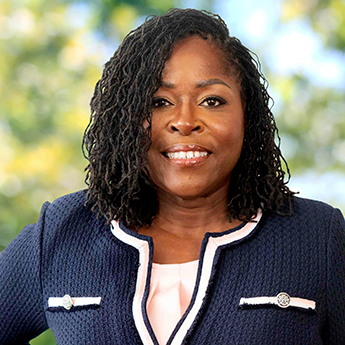
Tinisha Agramonte
Senior Vice President and Chief Diversity Officer, The Walt Disney Company
Tinisha Agramonte
Senior Vice President and Chief Diversity Officer, The Walt Disney Company
Tinisha Agramonte is Senior Vice President and Chief Diversity Officer (CDO) of The Walt Disney Company. Agramonte leads Disney’s diversity, equity and inclusion (DEI) strategy, collaborating with business segments and leaders across the company to foster a culture of belonging.
She joined Disney in 2022 as Vice President of Diversity, Equity and Inclusion Talent Outreach & Development with Disney Parks, Experiences and Products. Based in Orlando, she led work to develop a DPEP DEI strategic plan and launch an integrated work group of key senior leaders to prioritize DEI efforts and drive effectiveness and efficiencies.
Prior to joining Disney, Agramonte served as the inaugural Chief Diversity Officer at Motorola Solutions. She also served in senior executive positions with the federal government as the CDO and Director for the Office of Civil Rights in the Department of Commerce; Assistant Administrator for Diversity, Inclusion and Civil Rights with the U.S. Small Business Administration; and Director of Diversity and Inclusion Outreach and Retention with the Department of Veterans Affairs. She architected and launched the First-Generation Professionals Initiative, a first-of-its-kind federal government diversity and inclusion program. She has nearly 30 years of experience working in the U.S., Europe and Asia in the diversity, civil rights, equal employment opportunity, and human relations arenas as a civil servant, consultant, university instructor, and trainer/facilitator.
For several years, Agramonte was an adjunct instructor at Chapman University, teaching senior-level diversity management courses.
Throughout her career, she has been recognized as a purpose-driven and results-oriented leader, overseeing federal agencies and companies’ transformation efforts, strategically embedding innovative DEI policies, practices and decision-making into day-to-day business operations. Agramonte oversaw DEI strategic programs that were recognized as best practices, impacting workforces up to 300,000 employees. Agramonte is passionate about supporting military families, veterans, first-generation college students, and corporate professionals, and is known for her strategic, data-driven approach to DEI. Throughout her career she has helped organizations become more inclusive and recognize the impact DEI has on business optimization.
She holds a master’s degree in human relations from the University of Oklahoma and a bachelor’s degree in mass communications from California State East Bay.

Asad Ayaz
Chief Brand Officer, The Walt Disney Company and President, Marketing, The Walt Disney Studios and Disney+
Asad Ayaz
Chief Brand Officer, The Walt Disney Company and President, Marketing, The Walt Disney Studios and Disney+
As Chief Brand Officer, Asad Ayaz is responsible for managing the Disney brand globally across The Walt Disney Company’s entire ecosystem of touchpoints and consumer experiences. This includes holistic brand marketing campaigns leveraging and synthesizing the company’s full suite of content and consumer experiences, activating the brand internally and externally, guiding the company’s digital and social strategy and presence, overseeing corporate alliances and partnerships, and setting corporate synergy and franchise priorities. Additionally, he leads global consumer research and analytics for Disney’s brands and franchises with a primary focus on delivering more personalized and dynamic consumer experiences.
In his role as President of Marketing for The Walt Disney Studios and Disney+, Ayaz oversees all aspects of global marketing – encompassing strategy, creative advertising, media, digital, research, special events, promotions, publicity, and synergy – for Disney, Pixar, Marvel, Lucasfilm and Twentieth Century Studios, along with all aspects of brand and performance marketing for Disney+.
An 18-year Disney veteran, Ayaz has developed and led marketing campaigns for some of the most successful film releases in history, including Lucasfilm’s “Star Wars: The Force Awakens,” Marvel’s “Black Panther” and the global phenomenon “Avatar: The Way of Water.” Additional campaigns Ayaz has spearheaded include Disney’s live-action hits “Aladdin” and “The Lion King,” Disney Animation’s Academy Award-winning “Encanto” and “Frozen 2,” Pixar’s “Toy Story 4” and “Turning Red,” and 20th Century Studios’ “Free Guy” and “Prey.” Ayaz has led the campaigns for the most watched films on Disney+ and Hulu, and 13 of the top 15 box office debuts of all time, including six opening weekends over $200 million, as well as the biggest worldwide debut of all time for “Avengers: Endgame,” which earned over $1.2 billion in five days.
Ayaz also oversees marketing for series and specials produced by the Studios’, including the Emmy Award-winning “The Mandalorian,” “Obi-Wan Kenobi,” Marvel Studios’ hit series “WandaVision” and “Loki,” and the five-time Emmy winning “The Beatles: Get Back.” In addition, Ayaz has led the worldwide Disney100 brand campaign celebrating The Walt Disney Company’s 100th milestone.
An award-winning marketing leader, Ayaz has been the recipient of multiple industry honors, including Variety’s Marketing Visionaries Award and The Clio Marketing Mastermind Award. He was recently named one of Forbes Most Influential CMOs and one of Fast Company’s Most Creative People in Business.
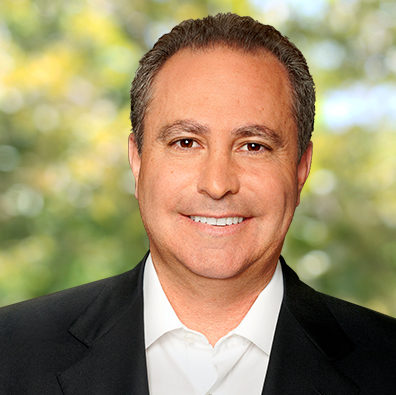
Alan Bergman
Co-Chairman, Disney Entertainment, The Walt Disney Company
Alan Bergman
Co-Chairman, Disney Entertainment, The Walt Disney Company
As Co-Chairman, Disney Entertainment, Alan Bergman oversees Disney’s full portfolio of entertainment media and content businesses globally, including Disney’s streaming business. In this role, Bergman leads Disney’s world-renowned filmmaking studios that produce high-quality cinematic storytelling for both theatrical and streaming release, including Disney, Walt Disney Animation Studios, Pixar Animation Studios, Marvel Studios, Lucasfilm, 20th Century Studios, and Searchlight Pictures. He also oversees the marketing, operations, technology, theatrical distribution, and business groups across these brands, as well as Disney Music Group and Disney Theatrical Group, producer of popular stage shows on Broadway and around the world. He also has shared oversight of direct-to-consumer, technology, and ad sales groups, as well as international content and operations.
Bergman has served in senior leadership roles at The Walt Disney Studios since 2001, most recently as Chairman from 2020 to 2023 and as Co-Chairman from 2019 to 2020. He was President of the group from 2005 to 2019 after being named its Chief Financial Officer in 2001. In these roles, Bergman was deeply involved in leading the Studios’ integrations of Pixar Animation Studios, Marvel Studios, Lucasfilm, and the Fox film studios and its expansion into the production of content for Disney’s streaming services. During his tenure, Disney has set numerous box office records: As of 2022, it led the global box office for the seventh consecutive year, and it holds the record for the highest box office gross in a single year with $11 billion worldwide in 2019.
Since Bergman became President of the Studios division in 2005, Disney has released four of the six films in history that have passed the $2 billion mark at the global box office – “Avengers: Endgame,” “Avatar: The Way of Water,” “Star Wars: The Force Awakens,” and “Avengers: Infinity War” – and 22 other films that have surpassed $1 billion, including the live-action “The Lion King” and “Beauty and the Beast,” “Frozen” and “Frozen 2,” “Toy Story 4,” and “Incredibles 2.” Other notable theatrical and streaming releases during Bergman’s tenure include Disney Animation’s “Zootopia” and “Encanto”; Pixar’s “Coco” and “Soul”; Disney’s “Aladdin,” “Cruella” and “Hocus Pocus 2”; 20th Century Studios’ “Free Guy” and “Prey”; Searchlight’s “Nomadland” and “The Banshees of Inisherin”; Lucasfilm’s “The Mandalorian,” “Obi-Wan Kenobi,” and “Andor”; and Marvel Studios’ “Black Panther: Wakanda Forever,” “WandaVision,” and “Loki.”
Bergman joined The Walt Disney Company in 1996 as part of the corporate controllership group with a focus on Walt Disney Studios initiatives, later moving to the operations planning group, where he was responsible for developing the Company’s annual operating plan. He holds a bachelor’s degree in business economics from UCLA.
Bergman is a member of the Academy of Motion Picture Arts and Sciences as well as the Television Academy. He represents Disney on the Motion Picture Association Board of Directors and also serves on the American Film Institute’s Board of Trustees.
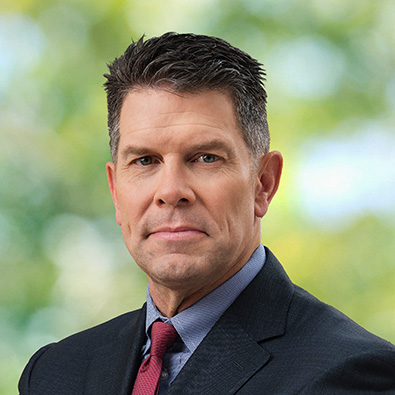
David L. Bowdich
Senior Vice President and Chief Security Officer, The Walt Disney Company
David L. Bowdich
Senior Vice President and Chief Security Officer, The Walt Disney Company
David Bowdich serves as the Chief Security Officer for The Walt Disney Company. In this role, Mr. Bowdich oversees the management of security functions globally, including the protection of U.S. and international parks and resorts, Disney Cruise Line, Disney and National Geographic-sponsored trips, retail stores and e-commerce, productions, studios, facilities, employees, guests, and intellectual property owned by the Company.
Mr. Bowdich joined Disney in February 2021 as Vice President of Global Security for Disney Parks, Experiences and Products, following a 25-year career at the FBI.
From 2018 to 2021, Mr. Bowdich served as the FBI’s Deputy Director which is the second highest position in the organization responsible for leading all FBI global investigative and intelligence activities. Prior to that appointment, he served as the Associate Deputy Director of the FBI, where he oversaw the management of all internal investigations, personnel, budget, administration, and infrastructure.
Mr. Bowdich joined the FBI’s Los Angeles Field Office in 2012, where he served first as the Special Agent in Charge of the Counterterrorism Division from 2012 to 2014 and then as the head of the office from 2014 to 2016. During that time, he oversaw all Criminal, Terrorism, Counterintelligence, and Cyber investigations and was responsible for Crisis Management and the deployment of Response Assets. Those responsibilities spanned the Los Angeles region, surrounding counties, and in certain circumstances, the extra-territorial region of Southeast Asia.
He first joined the FBI in 1995 as a Special Agent in the San Diego Field Office, and prior to that served as a police officer with the Albuquerque Police Department.
For his service to his nation, Mr. Bowdich was bestowed the Meritorious Service Award by President Barack Obama in 2016. In 2020, he was selected by Attorney General William Barr to serve on the President’s Law Enforcement Commission, and, in 2021, FBI Director Christopher Wray awarded him the FBI Director’s Medallion for Exceptional Leadership upon his retirement.
Mr. Bowdich holds a Master’s degree in Leadership from Georgetown University and a Bachelor of Science degree in Criminal Justice from New Mexico State University.
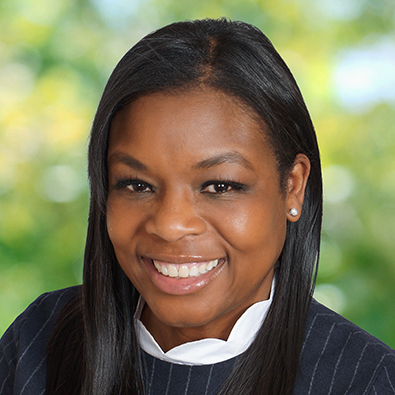
Sonia Coleman
Senior Executive Vice President and Chief Human Resources Officer, The Walt Disney Company
Sonia Coleman
Senior Executive Vice President and Chief Human Resources Officer, The Walt Disney Company
As Senior Executive Vice President and Chief Human Resources Officer of The Walt Disney Company, Sonia Coleman is responsible for leading Disney’s human resources strategy, global talent acquisition, leadership development, diversity and inclusion, organizational design and cultural development, employee education and development, compensation and benefits, HR operations and technology, and global security.
Most recently, Coleman was responsible for employee development and engagement; recruitment and compensation; organizational development; and diversity, equity, and inclusion efforts for both ESPN and the general entertainment portfolio of businesses at Disney Entertainment, which include ABC Entertainment, ABC News, ABC Owned Televisions Stations, Disney Branded Television, Disney Television Studios (20th Television, ABC Signature, 20th Television Animation and Walt Disney Television Alternative), Freeform, FX, Hulu Originals, National Geographic Content, and Onyx Collective.
Prior to that, Coleman served as Senior Vice President, Human Resources for Disney General Entertainment from 2017. She also served as Vice President, Human Resources for the company from May 2016 and in that capacity oversaw HR strategy, change management initiatives, organizational development, and engagement strategies for Disney’s corporate, enterprise, and cross-functional employees, and served as the lead HR business partner to the company’s senior corporate executives. She was also responsible for employee relations for the company.
Coleman joined Disney in 2008 as Vice President, Human Resources, Disney Consumer Products, a role she held for eight years. Before Disney, Coleman worked at The Children’s Place from 2004 to 2008, where she held several strategic HR roles; and The Home Depot from 1992 to 2004, where she served as the strategic HR leader during a period of large-scale change and complex organizational transformation.
Coleman has a Bachelor of Science degree in organizational leadership from Chapman University and a Master of Science degree in human resource management from Florida International University.

Josh D’Amaro
Chairman, Disney Experiences, The Walt Disney Company
Josh D’Amaro
Chairman, Disney Experiences, The Walt Disney Company
Josh D’Amaro is the Chairman of Disney Experiences, a creative engine and powerful growth driver for The Walt Disney Company, responsible for bringing beloved franchises to consumers through products and experiences around the world.
D’Amaro’s portfolio includes Walt Disney Imagineering, the team of artists, engineers and storytellers who imagine the future of the guest experience and bring Disney stories to life in new, innovative ways, including its Research and Development division. He also oversees Disney Parks, encompassing 12 theme parks in the United States, Europe and Asia, and Disney Signature Experiences, which offers family travel and leisure experiences beyond the theme parks and includes the award-winning Disney Cruise Line – consisting of five ships and two island destinations – as well as Disney Vacation Club, Adventures by Disney, and Storyliving by Disney. In addition, he leads Disney Consumer Products, home to the world’s leading licensing business for toys, apparel, and home goods, and the world’s largest children’s print publisher; and Disney’s digital games and apps business, including its collaboration with Epic Games to create an all-new interactive entertainment universe. D’Amaro’s scope includes global strategy, finance, operations, marketing, and technology.
With a global team of 180,000 Cast Members, D’Amaro is spearheading the company’s strategy to ‘turbocharge’ Disney Experiences, creating groundbreaking experiences for audiences through a 10-year, $60 billion investment in new attractions, lands, hotels, cruise ships, and technology.
As Chairman, he partners closely with the company’s film and TV studio creative leads, together with Walt Disney Imagineering, to bring Disney’s most popular and powerful creative assets to life in a way that only Disney can. His affinity for the brand is coupled with a deep respect for Guests, and the Cast Members who create magic every day.
D’Amaro has been instrumental in driving the segment’s tremendous growth and evolution, launching franchise-expanding experiences on both coasts of the United States and across the globe. These include Star Wars: Galaxy's Edge, the Marvel-themed Avengers Campus, Mickey and Minnie’s Runaway Railway, World of Frozen and many more, generating excitement and high guest satisfaction. The much-awaited Tiana’s Bayou Adventure opens at the Walt Disney World and Disneyland Resorts in 2024.
Under his leadership, Disney Cruise Line is experiencing unprecedented growth and expansion, serving as a powerful ambassador for the Disney brand in ports and markets around the globe beyond its theme parks, including Australia and New Zealand for the first time in 2023. Disney will nearly double the worldwide capacity of its cruise line, adding two ships in fiscal year 2025 and another in 2026, delivering even further growth potential, including a new homeport in Singapore beginning in 2025 that will expand its reach further into the Asia-Pacific region.
Since taking the helm in 2020, D’Amaro’s team has earned more than 130 awards and accolades, including multiple THEA Awards for top attractions and experiences, and industry-best cruise line rankings for many years running from U.S. News & World Report, Travel & Leisure, Condé Nast Traveler and others.
Prior to becoming Chairman, D’Amaro served as President of the iconic Disneyland Resort and President of Walt Disney World Resort, where he oversaw significant expansion projects including the comprehensive reimagination of EPCOT, which has transformed the resort.
A graduate of Georgetown University with a degree in business administration, D’Amaro began his career at Disney in 1998 at the Disneyland Resort. Over his 26-year career, he has held leadership positions across the company both internationally and domestically, including Chief Financial Officer for Disney Consumer Products Global Licensing, Chief Commercial officer for Walt Disney World Resort and various business planning, strategy, marketing and operations roles.
D’Amaro serves on the National Board of Directors for Make-A-Wish America, a charity that has partnered with Disney to fulfill nearly 155,000 wishes over the last 44 years. He is also a member of the United States Travel Association (USTA) Leadership Roundtable. Outside of work, D’Amaro enjoys snowboarding and is an avid runner who has participated in half-marathons and triathlons.
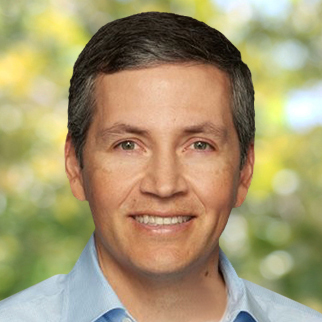
Carlos A. Gómez
Executive Vice President, Corporate Finance & Treasurer, The Walt Disney Company
Carlos A. Gómez
Executive Vice President, Corporate Finance & Treasurer, The Walt Disney Company
Carlos A. Gómez is Executive Vice President, Corporate Finance & Treasurer, The Walt Disney Company. He is responsible for management and oversight of the Company’s Corporate FP&A and global Treasury organizations, which includes corporate finance, liquidity management, capital markets, financial risk management, pension and investments, enterprise consumer payments, and global cash management. Mr. Gómez is also responsible for managing the Company’s relationships with its banking partners and the credit rating agencies.
Mr. Gómez most recently served as Vice President, Investor Relations. In that role, he managed the Company’s relationships with research analysts and institutional investors, and he formulated investor and financial communication strategy for key business initiatives, quarterly earnings releases, and mergers and acquisitions.
From 2002 to 2011, Mr. Gómez was a member of the Corporate Finance team. He served as Director, Corporate Finance from 2006 to 2011 and was responsible for managing the Company’s day-to-day global capital markets activities, negotiating corporate credit facilities and managing relationships with the Company’s lenders. Mr. Gómez joined the Company in 1995 as an Analyst in the Financial Risk Management group.
Mr. Gómez holds an MBA from UCLA Anderson School of Management and a B.A. in Economics from Stanford University.
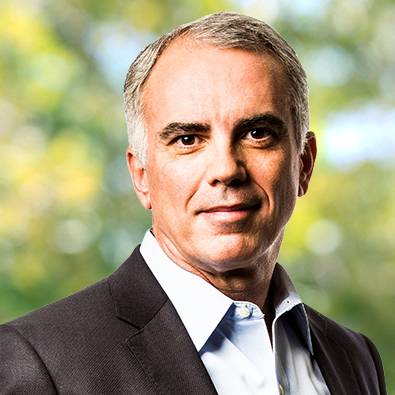
Horacio Gutierrez
Senior Executive Vice President, Chief Legal and Compliance Officer, The Walt Disney Company
Horacio Gutierrez
Senior Executive Vice President, Chief Legal and Compliance Officer, The Walt Disney Company
Horacio Gutierrez is Senior Executive Vice President, Chief Legal and Compliance Officer of The Walt Disney Company. In this role, Gutierrez serves as the chief legal officer of the Company, overseeing its team of attorneys responsible for all aspects of Disney’s legal affairs around the world, and acting as a strategic advisor to executive leadership and the Board of Directors. His areas of accountability include litigation, compliance, transactional law, securities law, regulatory matters, privacy protection, global ethics, and patent, copyright, and trademark issues, among others.
Before joining Disney in February 2022, Gutierrez most recently served as Head of Global Affairs and Chief Legal Officer for Spotify, where he led a global, multi-disciplinary team of business, corporate communications and public affairs, government relations, licensing, operations, and legal professionals responsible for the company’s work in areas including industry relations, content partnerships, public policy, and trust & safety. He was previously Spotify’s General Counsel and Vice President, Business & Legal Affairs from 2016 to 2019.
Prior to joining Spotify, Gutierrez was Corporate Vice President and General Counsel for Microsoft, overseeing the company’s legal affairs around the world, including support of the complete lifecycle of Microsoft’s products and services, from research and development to business development activities, M&A, litigation, legal compliance, and cybercrime prevention. He initially joined Microsoft in 1998 as Corporate Attorney, LATAM, and held a number of positions of increasing responsibility throughout the legal department during his 17-year tenure with the company, including Associate General Counsel, EMEA from 2002 to 2006; Deputy General Counsel, Intellectual Property and Licensing Group from 2006 to 2014; and Deputy General Counsel, Products and Services Group from 2014 to 2015.
Gutierrez sits on the board of directors for the Motion Picture Association (MPA) and the nongovernmental organization Kids in Need of Defense (KIND). Additionally, he is an Advisory Board Member of the Harvard Law School Center on the Legal Profession and a member of the Legal Services Corporation’s Leaders Council.
Gutierrez holds a Master of Laws degree from Harvard Law School; a Juris Doctor degree from the University of Miami School of Law; and a Bachelor of Laws degree and post-graduate diploma in corporate and commercial law from Universidad Católica Andrés Bello in Caracas, Venezuela.
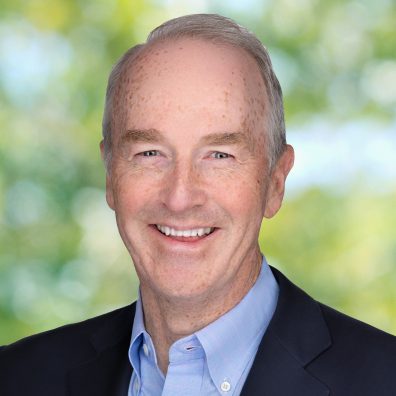
Hugh Johnston
Senior Executive Vice President & Chief Financial Officer, The Walt Disney Company
Hugh Johnston
Senior Executive Vice President & Chief Financial Officer, The Walt Disney Company
Hugh Johnston is Senior Executive Vice President and Chief Financial Officer of The Walt Disney Company. In this role, Johnston oversees the company’s worldwide finance organization, which includes corporate real estate, corporate strategy and business development, enterprise controllership, enterprise technology, financial planning and analysis, global product and labor standards, global security, investor relations, risk management, tax and treasury.
Before joining Disney in December 2023, Johnston served as Vice Chairman, from 2015, and Chief Financial Officer, from 2010, of PepsiCo, where he was responsible for providing strategic financial leadership for PepsiCo including communicating PepsiCo’s strategies and performance to investors.
During his successful 34 years at PepsiCo, Johnston held many positions including Executive Vice President, Global Operations, PepsiCo; President, Pepsi-Cola North America; Senior Vice President, Transformation, PepsiCo; Senior Vice President and Chief Financial Officer, PepsiCo Beverages and Foods; and Senior Vice President, Mergers and Acquisitions, PepsiCo. He also served as Vice President, Retail at Merck & Co. from 1999 until 2002, when he rejoined PepsiCo.
Johnston currently serves as a member of the board and chair of the audit committee of Microsoft Corp., and as a member of the board and chair of the audit committee of HCA Healthcare. He is also a director for the Peterson Institute for International Economics.
Johnston holds a Bachelor of Science degree from Syracuse University and an MBA from the University of Chicago.
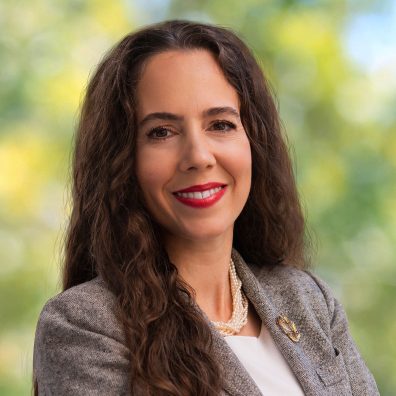
Jolene Negre
Associate General Counsel and Secretary, The Walt Disney Company
Jolene Negre
Associate General Counsel and Secretary, The Walt Disney Company
Jolene Negre is Associate General Counsel and Secretary for The Walt Disney Company, overseeing securities regulation and corporate governance. She joined Disney in 2018 as Associate General Counsel.
Previously, Ms. Negre was a Partner at the law firm Jenner & Block LLP from 2014 to 2018. In that role, she practiced corporate law, including securities regulation, corporate governance, mergers & acquisitions, joint ventures and strategic investments. She joined Jenner & Block LLP as a corporate Associate in 2011. Prior to that, Ms. Negre served as a corporate Associate at the law firm Hogan Lovells (formerly Hogan & Hartson) from 2006 to 2011.
Ms. Negre served on the Board of Directors of St. Joseph Center from 2015 - 2019. She has received numerous recognitions and awards including as a member of Law360’s “Practice Group of the Year: Media & Entertainment” from 2013-2017. Ms. Negre is also a former Fellow of The Leadership Counsel for Legal Diversity.
Ms. Negre holds a JD from the University of Pennsylvania Carey Law School (formerly the University of Pennsylvania Law School) and a BA in Political Science and Spanish from Amherst College.

James Pitaro
Chairman, ESPN, The Walt Disney Company
James Pitaro
Chairman, ESPN, The Walt Disney Company
Jimmy Pitaro was named Chairman, ESPN in February 2023, responsible for full operational control and financial responsibility for ESPN, one of the three core business segments of The Walt Disney Company. This includes the management and supervision of the company’s full portfolio of sports content, products and experiences across all of Disney’s platforms worldwide, including its international sports channels, creative development, marketing, sales and distribution.
Mr. Pitaro most recently served as Chairman, ESPN and Sports Content, focusing on ESPN’s live sports programming, as well as sports news and original and non-scripted sports-related content, for The Walt Disney Company’s cable channels, ESPN+, and ABC.
Prior to that, Mr. Pitaro was named ESPN President and Co-Chair, Disney Media Networks, on March 5, 2018, after serving as Chairman of Disney Consumer Products and Interactive Media (DCPI). At that time, he brought his history of leading businesses focused on consumer products, digital initiatives and sports to ESPN at a pivotal point in the company’s 38-year history: a time of unprecedented technological advancements and rapidly changing consumer habits.
Since February 2016, Mr. Pitaro had served as Chairman of Disney’s consumer products and interactive media division, the world’s largest licenser of consumer products. Among his many responsibilities, he oversaw the creation of branded digital and physical products, including a robust digital game slate. He and his team brought to life the characters and stories of four iconic brands – Disney, Pixar, Star Wars and Marvel – across toys, apparel, home goods, the world’s largest children’s publisher, hundreds of Disney store locations worldwide, the e-commerce destination shopDisney, and the Disney Digital Network of social and digital channels that reach one out of every three U.S. social media accounts.
Mr. Pitaro originally joined The Walt Disney Company in 2010 as Co-President, Disney Interactive, where he successfully led the turnaround of the digital media and gaming division.
Mr. Pitaro came to Disney from Yahoo, where he rose to Head of Media. He was in charge of, and set strategy and executed growth driving initiatives for, Yahoo’s media properties, including Yahoo Sports and Yahoo Music. In 2009, he was named to Sports Business Journal’s “Forty Under 40” annual list of top achievers in sports for his dynamic leadership and “breathless flurry of market-moving pacts” with major sports rightsholders and media companies. In 2020, he was named Sports Business Journal’s Sports Executive of the Year.
Mr. Pitaro earned a Bachelor of Science degree in economics in 1991 from Cornell University. He earned his Juris Doctor from St. John’s Law School in 1994. After practicing law in New York for five years, he was named head of business affairs for Launch.com in 1999 before joining Yahoo.
A native of Westchester County, N.Y., Mr. Pitaro is ESPN’s eighth leader.
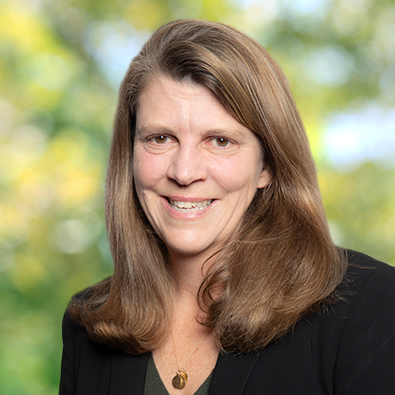
Alexia S. Quadrani
Executive Vice President, Investor Relations, The Walt Disney Company
Alexia S. Quadrani
Executive Vice President, Investor Relations, The Walt Disney Company
Alexia S. Quadrani is Executive Vice President, Investor Relations, The Walt Disney Company. In this role, she serves as Disney’s information liaison to the global investment community and a key advisor and resource to the Company's senior management team. Ms. Quadrani is responsible for expanding the Company's relationships with sell-side and buy-side investment analysts, industry analysts, and investors worldwide. She also provides input on the Company's financial reporting activities, manages stock share administration, and leads ongoing engagement with the governance community and Environmental, Social, and Governance (ESG) focused investors.
Prior to joining Disney, Ms. Quadrani served as Managing Director and Senior Analyst for J.P. Morgan’s U.S. Media Equity Research group since 2008. While at the firm, her coverage included entertainment, advertising and video game stocks. Ms. Quadrani joined J.P. Morgan through its merger with Bear Stearns, where she had served as Senior Managing Director since 1997. She was an Institutional Investor-ranked analyst for over 20 years.
Ms. Quadrani holds an MBA in finance from New York University’s Stern School of Business and a BS from the School of Foreign Service at Georgetown University.
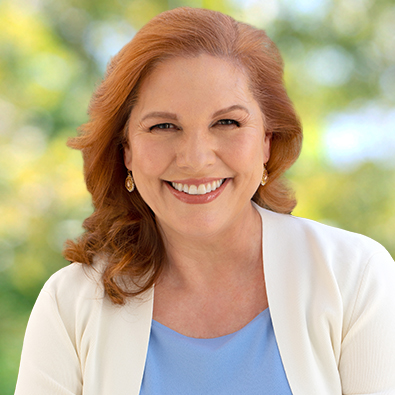
Kristina Schake
Senior Executive Vice President and Chief Communications Officer, The Walt Disney Company
Kristina Schake
Senior Executive Vice President and Chief Communications Officer, The Walt Disney Company
Kristina Schake is Senior Executive Vice President and Chief Communications Officer of The Walt Disney Company. In this role, Ms. Schake is responsible for Disney’s worldwide communications strategy and operations, and serves as lead spokesperson for the Company.
Prior to joining Disney in April 2022, Ms. Schake spent three decades working at the nexus of government, media, business, entertainment, and technology. Most recently, she was appointed by President Biden to lead the nationwide COVID-19 vaccine campaign, managing the federal government’s $1 billion national public education initiative. Prior to that, Ms. Schake was Global Communications Director for Instagram, where she served as a primary advisor to the company’s founder and CEO, and oversaw the communications and digital divisions in North America, Latin America, Europe and Asia.
Ms. Schake has served at the highest levels of government, as Communications Director for First Lady Michelle Obama and Deputy Communications Director for Secretary Hillary Clinton’s 2016 presidential campaign. Previously, she spent several years as the senior communications strategist for California First Lady Maria Shriver, the California Women’s Conference, and the California Endowment’s Building Healthy Communities Initiative. Additionally, Ms. Schake co-founded the American Foundation for Equal Rights, which led the successful bipartisan public awareness campaign and legal challenge to restore marriage equality in California. She began her career as a speechwriter for Los Angeles Mayor Richard J. Riordan.
A native of Sonoma, CA, Ms. Schake is a graduate of Johns Hopkins University.
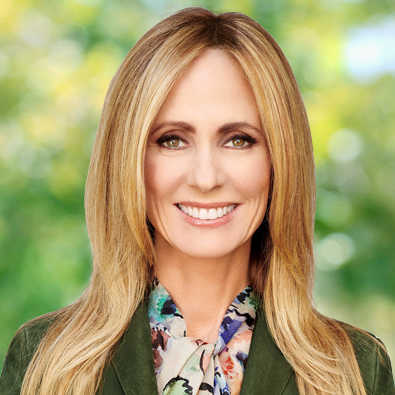
Dana Walden
Co-Chairman, Disney Entertainment, The Walt Disney Company
Dana Walden
Co-Chairman, Disney Entertainment, The Walt Disney Company
As Co-Chairman, Disney Entertainment, Dana Walden oversees Disney’s full portfolio of entertainment media, news and content businesses globally, including Disney’s streaming business. In this role, Walden leads Disney’s world-renowned, award-winning content brands and businesses, including ABC Entertainment, ABC News, ABC Owned Television Stations, Disney Branded Television, Disney Television Studios, Freeform, FX, Hulu Originals, National Geographic Content and Onyx Collective. She also oversees the marketing, operations, distribution and business groups across these brands and has shared oversight of direct-to-consumer, technology, and ad sales groups, as well as international content and operations.
Under Walden’s leadership, ABC has secured its position as the No. 1 entertainment network for four consecutive seasons – the first time that has happened in more than 25 years. Since she began overseeing Hulu’s signature Original series in 2019, the streamer has seen record viewership for such hits as “The Handmaid’s Tale,” “The Kardashians” and “Only Murders in the Building.” Additionally, ABC News continues to dominate as the #1 news network in America, with such iconic programs as “20/20,” “Good Morning America,” “Nightline” and “World News Tonight.”
Over the past three decades, Walden has overseen the development and production of some of the most celebrated shows in the history of the television industry, including “24,” “Glee,” “Grey’s Anatomy,” “Homeland” and “This Is Us”; culture-defining franchises like “American Horror Story,” “black-ish,” “Family Guy” and “The Simpsons”; unscripted stalwarts like “American Idol,” “Dancing With The Stars” and “Jimmy Kimmel Live!”; children’s programming like “Mickey Mouse Clubhouse” and “Bluey,” the No. 1 most-watched series for kids in 2023; and the most current breakout hits, “Shōgun,” “Abbott Elementary,” “The Bear,” “Percy Jackson and the Olympians” and “The Dropout.” In 2023, programming under Walden’s oversight earned an impressive 301 Emmy® nominations and 58 wins across daytime, primetime, children & family, and news & documentary categories. Throughout her career, teams under Walden’s supervision have been responsible for programs that have won more than 1,000 awards.
Walden previously served as chairman of Disney General Entertainment Content overseeing original entertainment and news programming for Disney’s streaming platforms, broadcast and cable networks. Prior to joining Disney, Walden was CEO of Fox Television Group, which included Fox Broadcasting Company, 20th Century Fox Television, Fox 21 Television Studios, Fox Consumer Products and the syndication supplier, 20th Television. In the four years she oversaw Fox Broadcasting Company, she took the network from fourth place to first. During her 25 years at 21st Century Fox, the studios overseen by Walden amassed 184 Emmy wins, 29 Golden Globes, 17 Screen Actors Guild Awards and 24 Peabody Awards and Humanitas Prizes.
In 2021, Walden was given a Lifetime Achievement Award from Harvard Undergraduate Women in Business. She has received the National Association of Television Program Executive’s Brandon Tartikoff Legacy Award and was named MIPCOM’s Personality of the Year. Just recently, she was honored as a CNBC Changemaker, a distinction that recognizes women who are transforming business. She sits on the board of directors for UCLA’s Jonsson Comprehensive Cancer Center and the Saban Free Clinic of Los Angeles. Additionally, Walden is a member of USC’s President’s Leadership Council and the President’s Circle of the NAACP. She also was appointed by President Biden to the President’s Export Council, the national advisory committee on international trade.
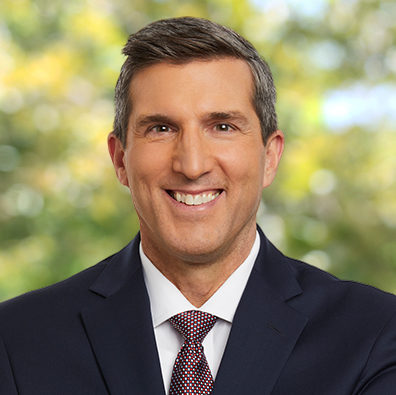
Brent Woodford
Executive Vice President, Controllership, Financial Planning and Tax, The Walt Disney Company
Brent Woodford
Executive Vice President, Controllership, Financial Planning and Tax, The Walt Disney Company
Brent A. Woodford is Executive Vice President, Controllership, Finance and Tax for The Walt Disney Company.
Brent oversees company-wide controllership and related shared service financial activities as well as the tax function. He is responsible for the company’s external and internal financial reporting and plays an integral role in developing the company’s operating profit, cash flow and capital spending plans. Brent also provides administrative oversight of Management Audit.
Prior to joining Disney in October 2003, Brent was Vice President, Controller of Yum! Brands, Inc., a spin-off from PepsiCo, and the Controller of PepsiCo’s international restaurant division, serving 10 years with the PepsiCo and Yum! organizations. Brent also spent time as an equity securities analyst with A.G. Edwards & Sons, as a financial consultant with Coopers & Lybrand and in the audit practice at KPMG in its Dallas and London offices.
Brent is a CPA (inactive) and a Chartered Financial Analyst. He is a member of the Financial Executives International Committee on Corporate Reporting and of the AICPA, serving on its Accounting Standards Executive Committee from 2003 to 2005. He also served on the Financial Accounting Standards Advisory Council of the Financial Accounting Foundation from 2006 to 2009. Brent has a B.A. in accounting from Michigan State University and an M.B.A. from St. Louis University.
Board of Directors
The Walt Disney Company's Board of Directors hail from renowned global organizations and industries, bringing a diverse range of knowledge, perspective and experience to guide and drive long-term value to the company.
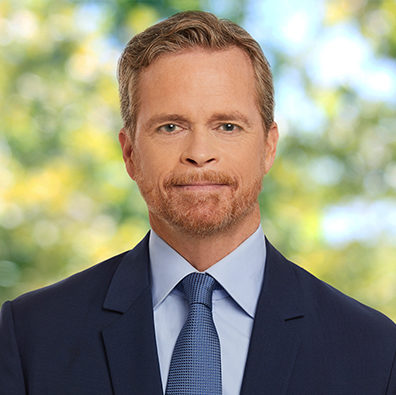
Mark G. Parker
Chairman of the Board
Mark G. Parker
Chairman of the Board
Mark G. Parker is the Executive Chairman of NIKE, Inc. Mr. Parker previously served as President and Chief Executive Officer of NIKE, Inc. since 2006 and Chairman of NIKE since 2016. He has been employed by NIKE since 1979 in a variety of positions with primary responsibilities in product research, design and development, marketing and brand management. Mr. Parker has been a member of the Board of Directors of NIKE since 2006, and has been a Director of the Company since January 2016 and was elected as Chairman of the Board as of April 3, 2023.
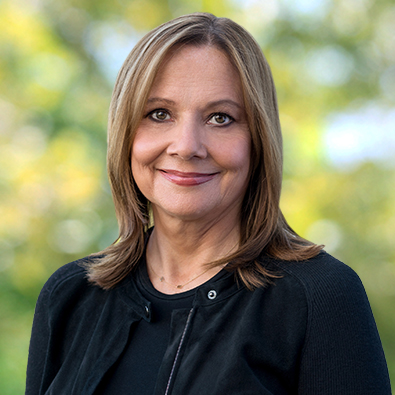
Mary T. Barra
Director since 2017
Mary T. Barra
Director since 2017
Mary T. Barra has been Chair of General Motors Company since 2016 and Chief Executive Officer of General Motors since 2014. Prior to that time, she served at General Motors as Executive Vice President, Global Product Development, Purchasing and Supply Chain from 2013 to 2014, Senior Vice President, Global Product Development from 2011 to 2013, Vice President, Global Human Resources from 2009 to 2011 and Vice President, Global Manufacturing Engineering from 2008 to 2009. In addition to serving on the Board of General Motors from 2014, she served on the Board of General Dynamics Corporation from 2011 to 2017. Ms. Barra has been a Director of the Company since August 2017.
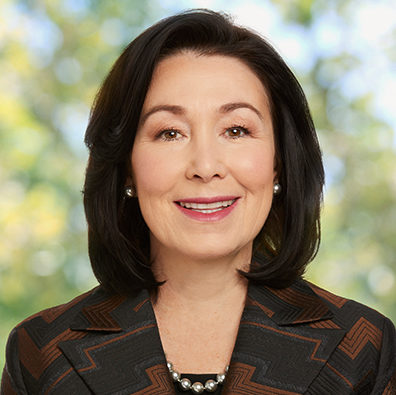
Safra A. Catz
Director since 2018
Safra A. Catz
Director since 2018
Safra A. Catz has been a Chief Executive Officer of Oracle Corporation since 2014. She served as President of Oracle from 2004 to 2014 and as the company's Chief Financial Officer from 2011 to 2014 and from 2005 to 2008. Prior to being named President of Oracle, she held various other positions with Oracle from 1999. She has been a member of the Board of Directors of Oracle since 2001, and was a director of HSBC Holdings from 2008 through 2015. She was elected a Director of the Company in December 2017, effective February 1, 2018.

Amy L. Chang
Director since 2021
Amy L. Chang
Director since 2021
Amy Chang serves on the Board of Directors of Procter & Gamble and as an advisor to more than a dozen companies. From 2018 to 2020, Ms. Chang served as Executive Vice President and General Manager of Cisco’s Collaboration business. She joined Cisco through the acquisition of the company she founded, Accompany, an artificial intelligence/machine learning-based relationship intelligence platform serving Fortune 500 companies. Prior to Accompany, where she served as Chief Executive Officer, Ms. Chang was Global Head of Product, Google Ads Measurement. She has held additional positions with eBay, McKinsey, Intel, AMD and Motorola, and previously served on the boards of Cisco, Splunk, Informatica and Marqeta. Ms. Chang has been a Director of the Company since 2021.

Jeremy Darroch
DIRECTOR SINCE 2024
Jeremy Darroch
DIRECTOR SINCE 2024
Sir Jeremy Darroch serves as a Director of Reckitt Benckiser Group plc and is their incoming Chairman. Previously, Darroch served as Executive Chairman and Group Chief Executive Officer of Sky. He joined Sky as Chief Financial Officer in 2004 and was promoted to Group Chief Executive Officer in 2007 and served as Executive Chairman in 2021. Darroch has been a Director of the Company since 2024.
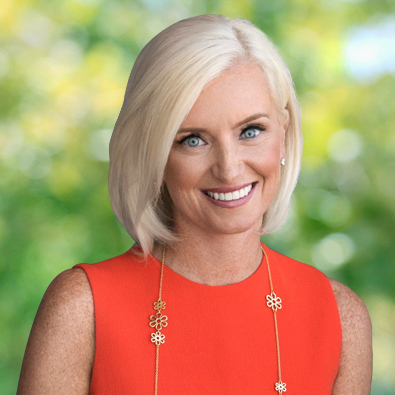
Carolyn N. Everson
DIRECTOR SINCE 2022
Carolyn N. Everson
DIRECTOR SINCE 2022
Carolyn Everson most recently served as President of Instacart. Prior to that role, Ms. Everson was Vice President, Global Marketing Solutions at Meta from 2011-2021. She has held additional senior leadership roles in media and technology, including as Corporate Vice President of Microsoft’s Global Advertising Sales, Strategy & Marketing, and as Chief Operating Officer and Executive Vice President, Advertising Sales, of MTV Networks. Prior to MTV Networks, Ms. Everson worked at PriMedia and Walt Disney Imagineering. She serves on the boards of The Coca Cola Company, Villanova University and the Humane Society of the United States. Ms. Everson has been a Director of the Company since 2022.
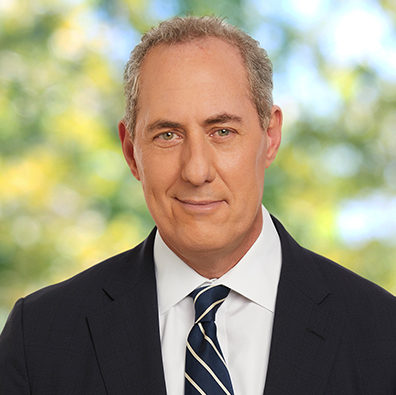
Michael B.G. Froman
DIRECTOR SINCE 2018
Michael B.G. Froman
DIRECTOR SINCE 2018
Michael B.G. Froman is president of the Council on Foreign Relations (CFR). He previously served as vice chairman and president, strategic growth, at Mastercard, chairman of the Mastercard Center for Inclusive Growth, and a distinguished fellow at CFR. He served as United States Trade Representative in the Executive Office of the President from 2013 to 2017, and as Assistant to the President and Deputy National Security Advisor for International Economic Policy from 2009 to 2013. Prior to that time he held various positions at Citigroup from 1999 through 2009, including Chief Executive Officer of CitiInsurance and Chief Operating Officer of Citigroup’s alternative investments business. Earlier in his career, Mr. Froman served in the Clinton administration, holding positions both at the US Department of Treasury and the White House. He has been a Director of the Company since September 2018.
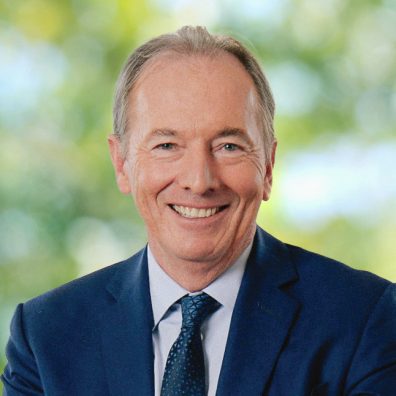
James P. Gorman
Director since 2024
James P. Gorman
Director since 2024
James P. Gorman is Executive Chairman of Morgan Stanley. Previously, Mr. Gorman served as Morgan Stanley’s Chief Executive Officer from 2010 to 2023 and Chairman from 2012 to 2023. He joined the Firm in February 2006 and was named Co-President in December 2007. Before joining Morgan Stanley, Mr. Gorman held executive positions at Merrill Lynch and was a senior partner at McKinsey & Co. He serves as a Director of the Council on Foreign Relations, Chair of the Board of Overseers of the Columbia Business School, and is a member of the Business Council. He formerly served as a Director of the Federal Reserve Bank of New York, President of the Federal Advisory Council to the U.S. Federal Reserve Board, and Co-Chairman of the Business Committee of the Metropolitan Museum of Art. Mr. Gorman has been a Director of the Company since 2024.
Robert A. Iger
Director since 2022
Robert A. Iger
Director since 2022
Robert A. Iger is Chief Executive Officer of The Walt Disney Company, having returned to the company in November of 2022 after serving as CEO and Chairman from 2005 to 2020, and then as Executive Chairman and Chairman of the Board through 2021.
Since returning as CEO, Mr. Iger has led a significant, enterprise-wide transformation to restore creativity to the center of the company and position Disney’s streaming business for sustained growth and profitability. During his more than 15 years at the helm of Disney, Mr. Iger has served as steward of the world’s most respected and beloved brands. His strategic vision focuses on three fundamental pillars: generating the best creative content possible; fostering innovation and utilizing the latest technology; and expanding into new markets across the globe.
Widely recognized as one of the world’s most consequential business leaders, Mr. Iger has built on Disney’s rich history of unforgettable storytelling with the acquisitions of Pixar (2006), Marvel (2009), Lucasfilm (2012), and 21st Century Fox (2019); the landmark opening of Disney’s first theme park and resort in mainland China, Shanghai Disney Resort; and the release of a number of record-setting films, including Marvel’s Avengers: Endgame, Disney’s Frozen and Frozen 2, and Marvel’s groundbreaking Black Panther. Always one to embrace new technology, Mr. Iger made Disney an industry leader through its creative content offerings across multiple new platforms, including the highly successful launch of the Disney+ streaming service in November 2019.
Disney’s exceptional entertainment experiences, widely diverse content, and Iger’s unique skill in managing businesses in an integrated manner led to strong results. During Mr. Iger’s tenure, The Walt Disney Company has been recognized as one of the “Most Reputable Companies” in both America and the world by Forbes magazine (2006–2019); one of the “Best Employers” in both America and the world by Forbes magazine (2019 and 2018, respectively); one of the “World's Most Admired Companies” by Fortune magazine (2009–2021); and one of the “World's Most Respected Companies” by Barron’s (2009–2017).
Mr. Iger was first appointed Chief Executive Officer of Disney in October 2005 and was elected Chairman in 2012. In February 2020, he assumed the role of Executive Chairman and directed the company’s creative endeavors until retiring in December 2021. From 2000-2005, Mr. Iger served as Disney’s President and Chief Operating Officer. He officially joined the Disney senior management team in 1996 as Chairman of the Disney-owned ABC Group, and in 1999, was given the additional responsibility of President, Walt Disney International. In that role, Mr. Iger expanded and coordinated Disney’s presence outside of the United States, establishing the blueprint for the company’s international growth today. As Chairman of the ABC Group, Mr. Iger oversaw the broadcast television network and station group, cable television properties, and radio and publishing businesses, and also guided the complex merger between Capital Cities/ABC, Inc. and the Walt Disney Company. During Mr. Iger’s years with ABC, he obtained hands-on experience in every aspect of the television business—including news, sports, and entertainment—as well as in program acquisition, rights negotiations, and business affairs. He began his career at ABC in 1974.
In 2023, Mr. Iger was featured on the cover of TIME as part of its annual 100 Most Influential People issue. Additionally, he was TIME’s Businessperson of the Year (2019); one of Forbes magazine's “World’s Most Powerful People” (2018); one of the “Top Gun CEOs” by Forbes magazine (2009); one of Fortune magazine’s “25 Most Powerful People in Business” (2006, 2007); one of the “Best CEOs” by Institutional Investor magazine (2008, 2009, 2010, 2011); MarketWatch's “CEO of the Year” (2006); and “CEO of the Year” by Chief Executive magazine (2014).
Mr. Iger was inducted into the Television Academy Hall of Fame in January 2020, and the Broadcasting and Cable Hall of Fame in 2015. He currently serves on the boards of the 9/11 Memorial & Museum and Bloomberg Philanthropies. In 2012, Mr. Iger became a member of the Academy of Motion Picture Arts and Sciences, one of the nation’s most prestigious honorary societies, which recognizes some of the world’s most accomplished scholars, scientists, writers, artists and civic, corporate, and philanthropic leaders. He served as chairman of the capital campaign for the new Academy Museum of Motion Pictures in Los Angeles. From 2011-2019 he was a member of the Apple board of directors.
In September 2022, Mr. Iger was recognized as an Honorary Knight Commander of the Most Excellent Order of the British Empire by Her Late Majesty Queen Elizabeth II for his services to the UK / US relations.
Mr. Iger is the author of the New York Times best-selling book The Ride of a Lifetime: Lessons Learned from 15 Years as CEO of The Walt Disney Company, published in 2019. He is a graduate of Ithaca College.
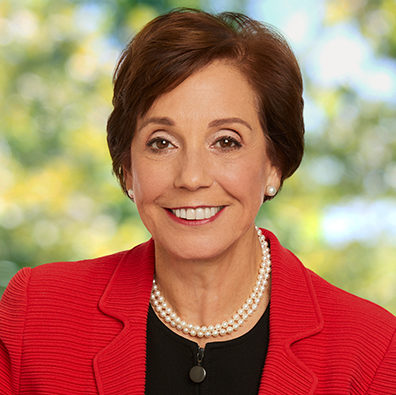
Maria Elena Lagomasino
DIRECTOR SINCE 2015
Maria Elena Lagomasino
DIRECTOR SINCE 2015
Maria Elena Lagomasino is the Chief Executive Officer and Managing Partner of WE Family Offices, an office serving high net worth families, and has held these positions since March 2013. Ms. Lagomasino served as Chief Executive Officer of GenSpring Family Offices, LLC, an affiliate of SunTrust Banks, Inc., from November 2005 through October 2012. From 2001 to 2005, Ms. Lagomasino was Chairman and Chief Executive Officer of JPMorgan Private Bank, a division of JPMorgan Chase & Co., a global financial services firm. Prior to assuming this position, she was Managing Director of The Chase Manhattan Bank in charge of its Global Private Banking Group. Ms. Lagomasino had been with Chase Manhattan since 1983 in various positions in private banking. Ms. Lagomasino is a member of the Council on Foreign Relations, and is a founder of the Institute for the Fiduciary Standard. She is a director of the Americas Society and served as a Trustee of the National Geographic Society from 2007 to 2015. She served as a director of the Coca-Cola Company from 2003 to 2006 and from 2008 to the present, and she served as a director of Avon Products, Inc. from 2001 to March 2016. Ms. Lagomasino has been a Director of the Company since 2015.
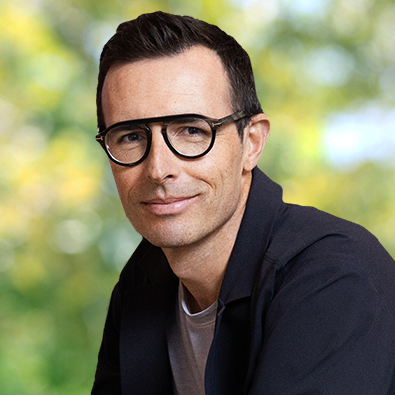
Calvin R. McDonald
Director since 2021
Calvin R. McDonald
Director since 2021
Calvin McDonald is Chief Executive Officer of lululemon athletica inc., an athletic apparel company with more than 500 company-operated stores in 17 countries. Mr. McDonald joined lululemon in 2018 and is a member of its Board of Directors. Previously, he served as president and CEO of Sephora Americas, a division of the LVMH group of luxury brands, from 2013 to 2018. Mr. McDonald was President and CEO of Sears Canada from 2011-2013, and spent 17 years at Loblaw Companies Limited, the largest retailer in Canada, where he was born and raised. From 2016-2020, he served on the Board of Directors of Cole Haan. Mr. McDonald is a growth-oriented leader with a proven track record helping large organizations scale and innovate how brands engage with customers – in stores, across digital channels, and from their home. Mr. McDonald has been a Director of the Company since 2021.
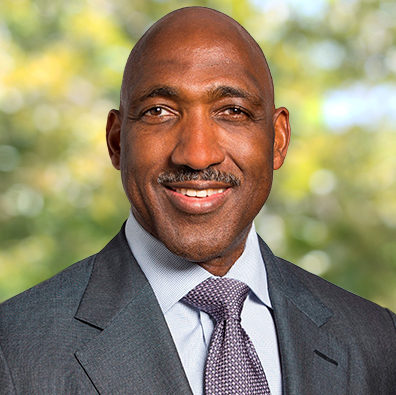
Derica W. Rice
DIRECTOR SINCE 2019
Derica W. Rice
DIRECTOR SINCE 2019
Derica W. Rice was formerly the President of CVS Caremark, the pharmacy benefits management business of CVS Health, and Executive Vice President of CVS Health. Prior to that time, he was employed in various executive positions at Eli Lilly and Company since 1990, most recently serving as Executive Vice President of Global Services and Chief Financial Officer from 2006 to 2017. Mr. Rice was a member of the Board of Directors of Target Corporation from 2007 to January 2018. Mr. Rice will contribute to the mix of experience and qualifications the Board seeks to maintain through his experience in various positions at CVS Health and Eli Lilly and his other public company board experience. Mr. Rice leads the pharmacy benefits management business of CVS Health and had extensive experience in the financial function at Eli Lilly, including serving as Eli Lilly’s chief financial officer. As such, he brings practical knowledge of executive management of complex, worldwide businesses, and extensive experience in a wide range of financial and accounting matters including management of worldwide financial operations, financial oversight, risk management and the alignment of financial and strategic initiatives.














![Freeform_Wordmark_RGB_Electric-Pink[91]](https://thewaltdisneycompany.com/app/uploads/2023/02/Freeform_Wordmark_RGB_Electric-Pink91-600x106.png)